

-
By admin
-
February 7, 2024
- 0 Comment
The Importance of Safety in Welding and Fabrication
Welding and fabrication are essential processes in various industries, from construction and manufacturing to oil & gas and infrastructure. However, they also involve significant safety risks, including exposure to extreme heat, toxic fumes, and hazardous equipment. Prioritizing safety is crucial to protecting workers, ensuring compliance, and maintaining productivity. This article explores the importance of safety in welding and fabrication and best practices to prevent accidents.
“We can easily manage if we will only take, each day, the burden appointed to it. But the load will be too heavy for us if we carry yesterday’s burden over again today, and then add the burden of the morrow before we are required to bear it factorial non.”
Rebert Kosta
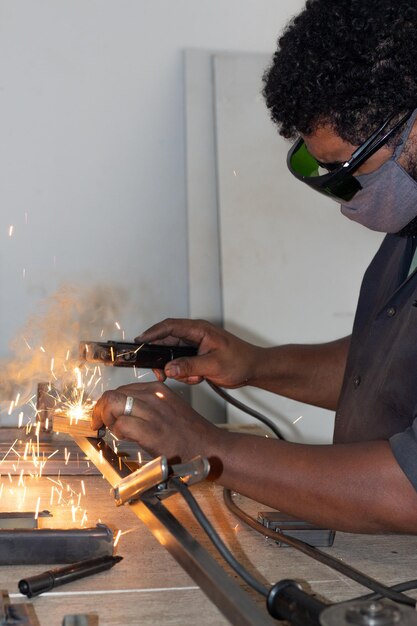

Here is the importance
1. Common Welding and Fabrication Hazards
Without proper precautions, welding and fabrication can expose workers to several risks, including:
Fire and Explosions – Sparks and hot metal fragments can ignite flammable materials.
Electric Shock – Improper handling of welding machines can result in dangerous shocks.
Toxic Fumes and Gases – Exposure to welding fumes can lead to respiratory issues and long-term health problems.
Eye and Skin Injuries – Ultraviolet (UV) radiation from welding arcs can cause burns and vision damage.
Structural Failures – Poor welding quality or fabrication errors can lead to weak structures and workplace accidents.
2. Essential Safety Measures in Welding and Fabrication
To minimize risks and maintain a safe working environment, industries must implement key safety measures:
Use of Personal Protective Equipment (PPE) – Workers should wear welding helmets, gloves, flame-resistant clothing, and safety goggles.
Proper Ventilation – Ensuring adequate airflow prevents the buildup of toxic fumes in enclosed spaces.
Fire Prevention Protocols – Work areas should be free of flammable materials, with fire extinguishers readily available.
Training and Certification – Welders should be properly trained and certified to operate equipment safely.
Equipment Maintenance – Regular inspections and maintenance of welding tools help prevent malfunctions and accidents.
3. The Role of Compliance and Regulations
Governments and industry bodies enforce strict safety regulations to protect workers. Compliance with OSHA (Occupational Safety and Health Administration), ISO, and ASME standards ensures:
Safe working conditions.
Proper handling and storage of welding equipment.
Regular safety training for workers.
Reduced liability for businesses.
4. The Benefits of Prioritizing Welding and Fabrication Safety
Investing in safety measures provides long-term benefits, including:
Fewer workplace accidents and injuries.
Improved efficiency and productivity.
Enhanced reputation for businesses.
Lower costs due to reduced downtime and liability claims.
Conclusion
Safety in welding and fabrication is non-negotiable. By implementing proper safety practices, industries can protect their workforce, maintain regulatory compliance, and enhance overall productivity. Businesses that prioritize safety not only create a secure environment but also improve the quality and longevity of their projects.
At Ochas Golden, we are committed to ensuring the highest safety standards in all our welding and fabrication services. Contact us today to learn more about how we maintain a safe, efficient, and high-quality work environment for your industrial projects!